Loading content

Loading content
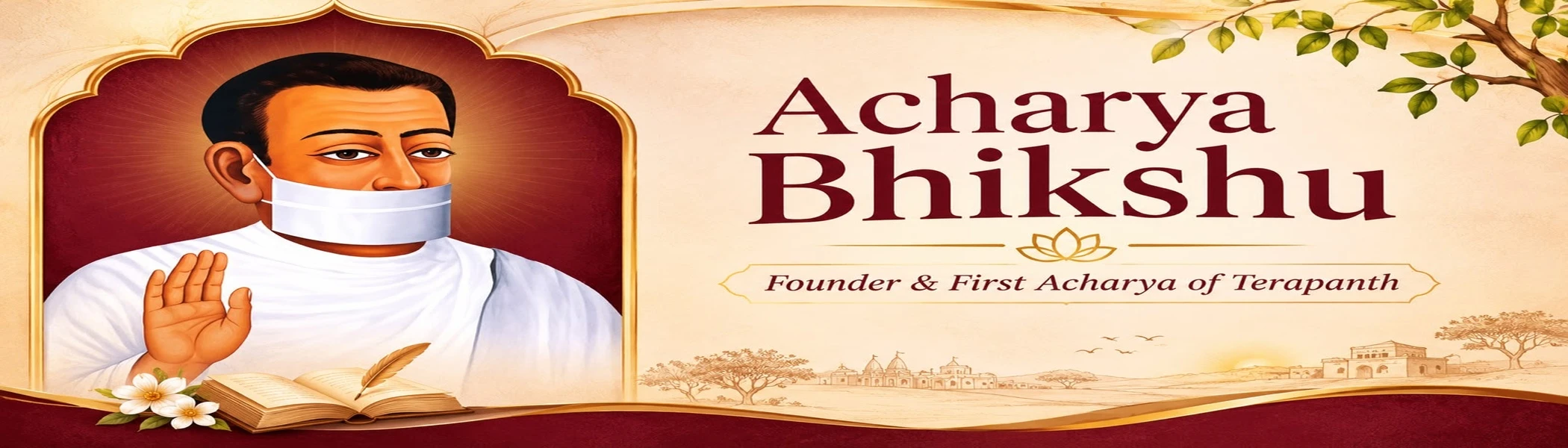
ACHARYA SHRI BHIKSHU
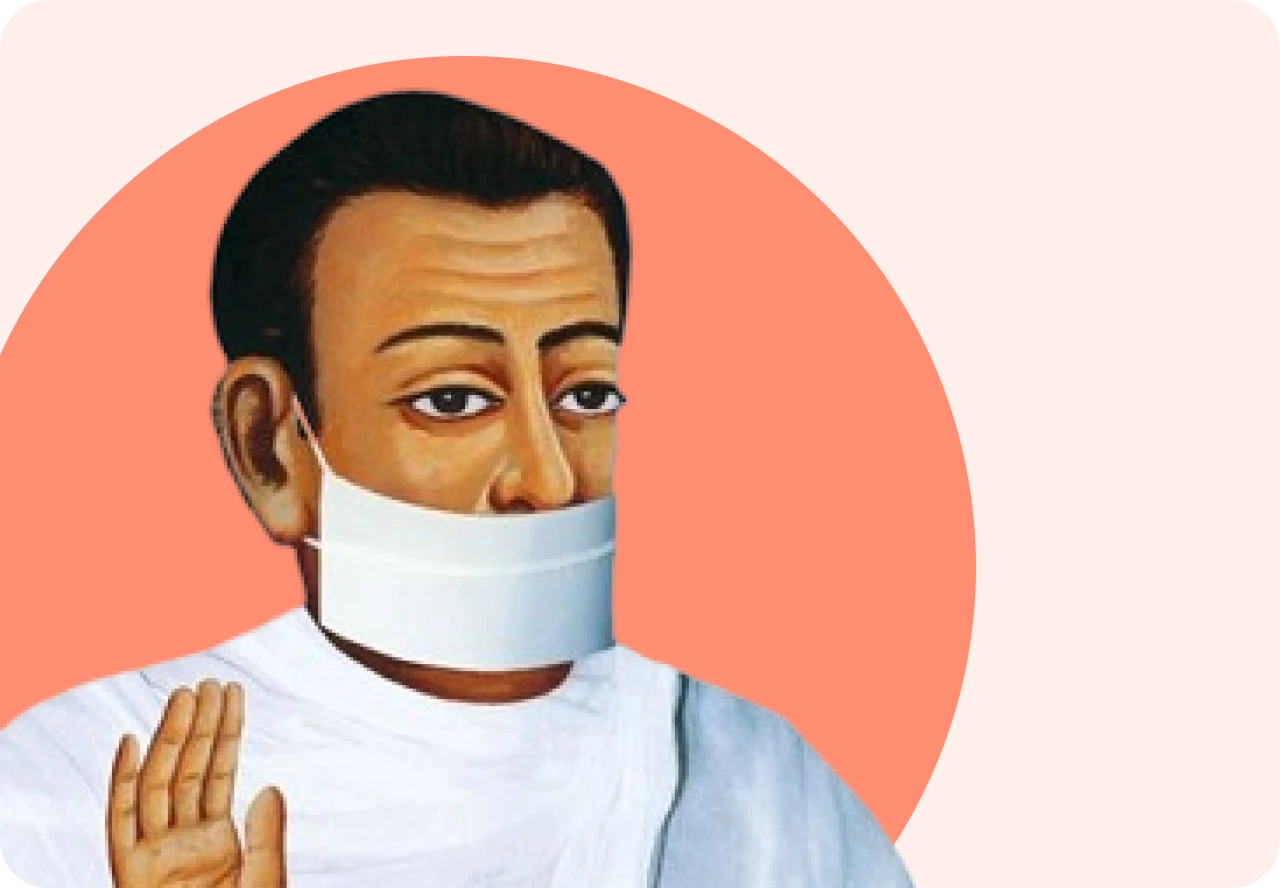
Life, Birth and Spiritual Journey
Acharya Shri Bhikshu Swami, revered as Swamiji, was born on 1 July 1726 (Vikram Samvat 1783, Ashadh Shukla Trayodashi) in Kantaliya, Rajasthan. His birth name was Bhikhan. He was born to Shah Balluji and Deepa Bai in the Oswal Sanklecha family.
From an early age, he displayed a deep inclination towards spirituality, religious study and self-discipline. Following the passing of his wife, he resolved to embrace monkhood. With the guidance and permission facilitated by his mother, he received initiation from Acharya Shri Raghunathji, the Sthanakvasi Acharya, at Bagdi in 1751 (V.S. 1808).
Through deep study of Jain scriptures and rigorous spiritual practice, Bhikshu Swami developed a strong conviction that the path to liberation required uncompromising adherence to the principles of Jain asceticism. Differences regarding the interpretation and observance of monastic discipline eventually led him to separate from his Acharya and establish an independent spiritual path.
On Ashadh Shukla Purnima, Vikram Samvat 1817 (1760 CE), at Kelwa, Mewar, he formally established the Terapanth Sangh with twelve fellow monks, bringing the founding group to thirteen. This marked the beginning of a new chapter in the history of Jain Shraman tradition
Acharya Bhikshu's vision was to establish a spiritual order rooted in purity of conduct, rigorous discipline, self-restraint and unwavering commitment to truth. He believed that spiritual progress could only be achieved when one's conduct and means were as pure as one's ultimate goal.
His teachings emphasised:
Ahimsa (Non-violence): Respect and protection for every living being.
Satya (Truth): Uncompromising commitment to truth in thought, speech and action.
Aparigraha (Non-possession): Freedom from excessive attachment and accumulation.
Self-restraint and discipline: Strict observance of the five Mahavratas and disciplined spiritual conduct.
Purity of means and ends: A pure spiritual objective must be pursued through pure means.
Equality in spiritual pursuit: Liberation is attainable through sincere spiritual practice, whether one is a monk or a lay follower.
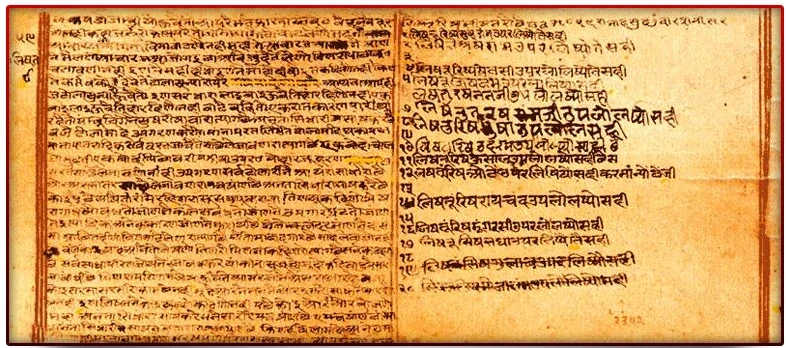
One of his most significant contributions was the establishment of a disciplined and centrally organised Sangh under the leadership of one Acharya. In Vikram Samvat 1832, he prepared the first Maryada Patra (Charter of Conduct), laying down rules and guidelines for the functioning, discipline and continuity of the Sangh.
He also designated his principal disciple, Acharya Shri Bharimalji, as his successor, establishing an orderly tradition of leadership succession. This organisational framework became a defining characteristic of Terapanth and continues to guide the Sangh
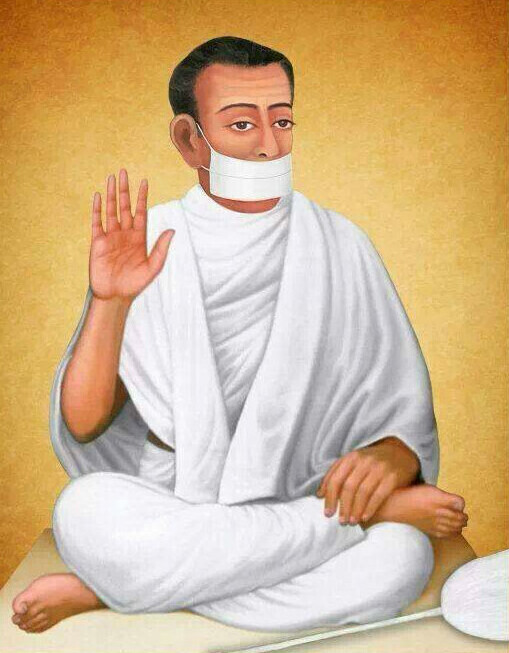
Acharya Bhikshu was not only a spiritual leader and institution-builder but also a profound philosopher, thinker, poet and scholar of Jain scriptures.
His literary contribution is particularly remarkable. He composed approximately 38,000 verses in the Rajasthani language, enriching Jain literature with works on spiritual discipline, philosophical inquiry, Jain principles, renunciation and the conduct of monks and lay followers.
Under his leadership, the Sangh grew from thirteen founding monks into an established spiritual community. During his tenure, 49 monks and 56 nuns received initiation, reflecting the expansion of the Terapanth tradition.
He endured considerable opposition, hardship and material deprivation while remaining steadfast in his convictions. His life became an enduring example of courage, sacrifice, perseverance and spiritual determination.
Acharya Bhikshu attained Samadhi at Siriyari, Rajasthan, on Bhadrapada Shukla Trayodashi, Vikram Samvat 1860 (1803 CE), at the age of 77.
His greatest legacy is the spiritual and organisational foundation he established—one that continues through successive Acharyas and inspires generations of Terapanth followers to live with discipline, simplicity, awareness and commitment to spiritual progress.